How do laws get made?
Dodd-Frank & Lobbying in the US
Follow along @ https://df.anthony.ai

- What is the role of money vs relationships in congress?
- How many key decision makers need to bless a law for it to pass?
- What incentivizes those decision makers?
Research strategy
- Obtain general knowledge about the E2E process
- Identify a specific law to deep dive into
- Create a timeline from conception to enforcement
- Identify the key individuals
May '05
Jan '05
Jan '06
Jan '07
Jan '08
Jan '09
Jan '10
- Republican rep Spencer Bachus proposes bill to restrict subprime mortgages
- Other republicans didn't agree and killed the bill
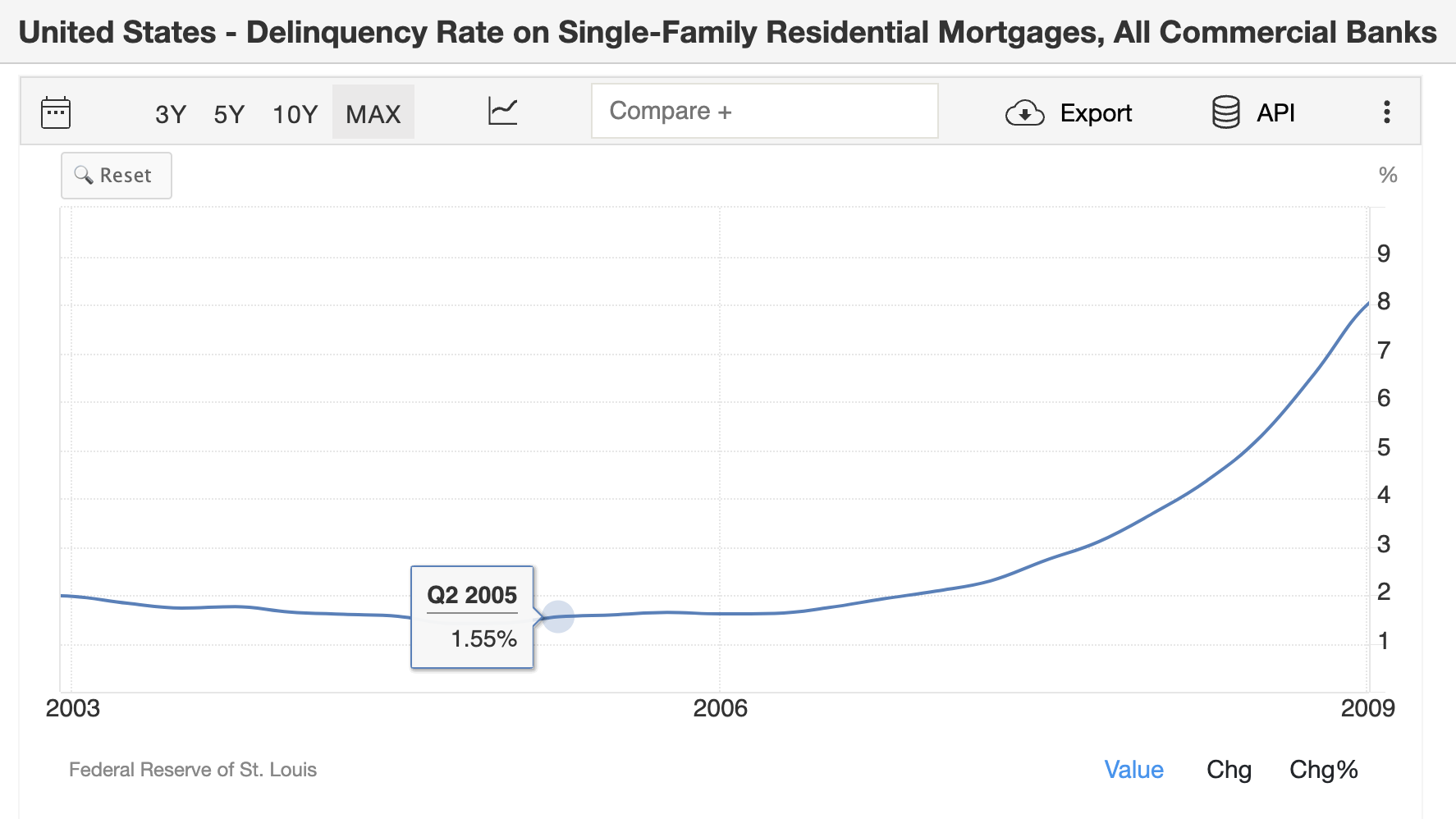
Late '06
Jan '05
Jan '06
Jan '07
Jan '08
Jan '09
Jan '10
- Industry starts realizing how many mortgages are gonna default
- e.g. HSBC profit warning in Feb '07
June '07
Jan '05
Jan '06
Jan '07
Jan '08
Jan '09
Jan '10
- Elizabeth Warren, then a Harvard law prof, proposes the Consumer Finance Protection Agency
- would later become the most controversial component of Dodd-Frank
November '07
Jan '05
Jan '06
Jan '07
Jan '08
Jan '09
Jan '10
- Bachus works with Barney Frank, the chair of the house financial services committee, on the subprime mortgage bill again
- passes house easily due to the dem majority
- weirdly, senate committee on banking chaired by Chris Dodd ignores it so the bill dies
March '08
Jan '05
Jan '06
Jan '07
Jan '08
Jan '09
Jan '10
- Bear Stearns experiences severe liquidity issues due to mass investor withdrawals related to subprime mortgage exposure
- Fed loans them $30B so that JP Morgan Chase will be willing to buy them for $1.2B
April '08
Jan '05
Jan '06
Jan '07
Jan '08
Jan '09
Jan '10
- Henry Paulson (treasury secretary) shares blueprint for new set of reforms his staff has been working on for a year
- beginnings of what would become the Dodd-Frank Act
July '08
Jan '05
Jan '06
Jan '07
Jan '08
Jan '09
Jan '10
- Frank holds hearing on "Systemic Risk and the Financial Markets"
- people keep telling him to deregulate to make America competitive, but it's clear to him that stronger financial regulations are urgently needed
September 15 '08
Jan '05
Jan '06
Jan '07
Jan '08
Jan '09
Jan '10
- Lehman brothers collapses
- huge bankruptcy ($640B assets and $620B liabilities)
- the "oh fuck" moment
September 16-18 '08
Jan '05
Jan '06
Jan '07
Jan '08
Jan '09
Jan '10
- fed chair Bernanke and treasury secretary Paulson collaborate to scare the absolute shit out of the congressional leadership
- "we need a $700B blank check to prevent the next great depression"
- idea 1: buy toxic assets, idea 2: buy bank shares
- 3 page draft becomes 450 page bill
September 29 '08
Jan '05
Jan '06
Jan '07
Jan '08
Jan '09
Jan '10
- house rejects bill (140–95, 133–65)
- "oh fuck" moment #2, DJIA only went down 2.5% in 2 weeks after Lehman collapse
- it went down 25% in the 2 weeks after this "no" vote
- eventually though it gets passed
July '09
Jan '05
Jan '06
Jan '07
Jan '08
Jan '09
Jan '10
- Frank unveils the Consumer Financial Protection Agency
- eventually would become the Consumer Financial Protection Bureau (CFPB)
December 11, 2009
Jan '05
Jan '06
Jan '07
Jan '08
Jan '09
Jan '10
- the House passes the "Wall Street Reform and Consumer Protection Act"
May 20, 2010
Jan '05
Jan '06
Jan '07
Jan '08
Jan '09
Jan '10
- the Senate passes the "Restoring American Financial Stability Act of 2010"
July 21, 2010
Jan '05
Jan '06
Jan '07
Jan '08
Jan '09
Jan '10
- Obama signs the reconciled House/Senate versions of the Dodd-Frank act into law
What do congress people want and why?
Evolutionary pressures maximize $P(\text{re-election})$
90% of representatives have a 5% re-election chance
10% have a 95% chance
1 round: 82% are bad at campaigning
18% are great
5 rounds: 64% are bad
36% are great
20 rounds: 35% are bad
65% are great

Re-election tools
- helping out other congress people that are better than you at campaigning/fundraising
- working with lobbyists to sponsor earmarks for your district; very nice symbiosis here
- visibly aligning yourself with the policies that poll well with your constituents
Does Congress understand what they legislate?
- lots of staff to prepare and educate them
- impossible for staff to understand the nuances of complex industries enough to write everything on their own
- absurd spread of competency and industry savvy among junior/senior members
Who needs to be convinced?
- congressional leadership (speaker, majority leader, etc), including their key staff
- key committee heads (e.g. house financial services committee, appropriations commitee)
- majority party only; bipartisanship extremely rare now except in allowing eachother to add earmarks
Resources
- "So Damn Much Money: the triumph of lobbying and the corrosion of American government" by Robert Kaiser
- "Act of Congress: how America's essential institution works, and how it doesn't" by Robert Kaiser